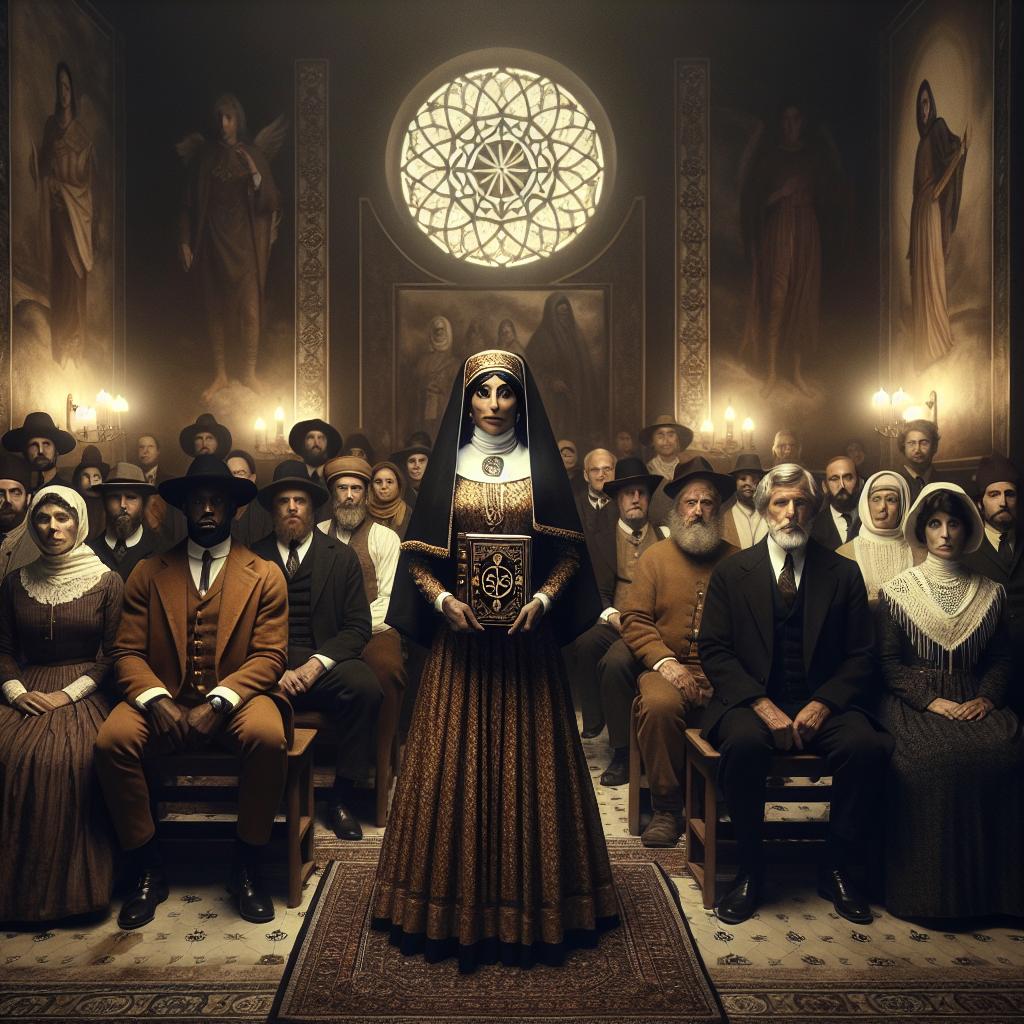
Discover the Rich Heritage of African Methodist Episcopal Christianity
Posted on 04 May 2026
The African Methodist Episcopal Church
The African Methodist Episcopal (AME) Church is a Methodist denomination that was founded by Americans of African descent in the late 18th century. The word "episcopal" refers to the church's bishop-led form of governance. The AME Church has its roots in Methodism, which was originally a movement within the Anglican Church. However, after the Revolutionary War, both the Episcopal Church in the United States and the Methodist Church distanced themselves from the Church of England.
The AME Church was established in response to the segregation and mistreatment of black Methodists within the mainstream Methodist Episcopal Church. In 1794, the first African Methodist Episcopal Church, known as Bethel AME Church, was formed in Philadelphia to provide a place of worship free from interference by white Methodists. The split from the main branch of the Methodist Church was not due to doctrinal differences but rather a result of racial discrimination prevalent during that time.
Over the years, the AME Church grew rapidly, especially during the Civil War and Reconstruction era. By 1880, it had amassed a membership of 400,000, and it expanded its reach beyond the United States to countries such as Sierra Leone, Liberia, and South Africa before 1900. Today, the AME Church has congregations in thirty-nine countries across five continents.
The Mission and Doctrinal Statement
The motto of the African Methodist Episcopal Church is "God Our Father, Christ Our Redeemer, the Holy Spirit Our Comforter, Humankind Our Family." This motto reflects their mission to minister to the social, spiritual, and physical development of all people. The AME Church aims to make God's biblical principles available, spread Christ's liberating gospel, and provide programs that enhance social development.
The doctrinal statement of the AME Church is rooted in evangelical beliefs. It affirms essential Christian doctrines such as the Trinity, the deity of Christ, the sufficiency of Scripture, and salvation by grace through faith. This statement serves as a foundation for the church's teachings and practices.
Stand on Homosexuality
The AME Church holds a conservative stance on homosexuality. It opposes the ordination of homosexual ministers and performing same-sex wedding ceremonies. In 2019, a resolution calling for a reevaluation of this ban was considered by the AME Church's Legislative Committee of the 2nd District but ultimately failed. The resolution was not brought to a vote at the General Conference.
Why This Matters
Understanding the history and beliefs of the African Methodist Episcopal Church is important for Christians seeking to engage with different denominations. The AME Church emerged out of a context of racial discrimination and segregation, reflecting the struggles faced by African Americans in their pursuit of religious freedom and equality. By learning about their experiences and doctrines, Christians can cultivate empathy and work towards unity within the body of Christ.
Think About It
- How does the history of the AME Church reflect broader societal issues during its formation?
- What can we learn from the AME Church's commitment to social development alongside spiritual growth?
- How should Christians navigate theological differences while promoting unity within the body of Christ?
For more information about the African Methodist Episcopal Church, please visit their official website at https://www.ame-church.com/.
