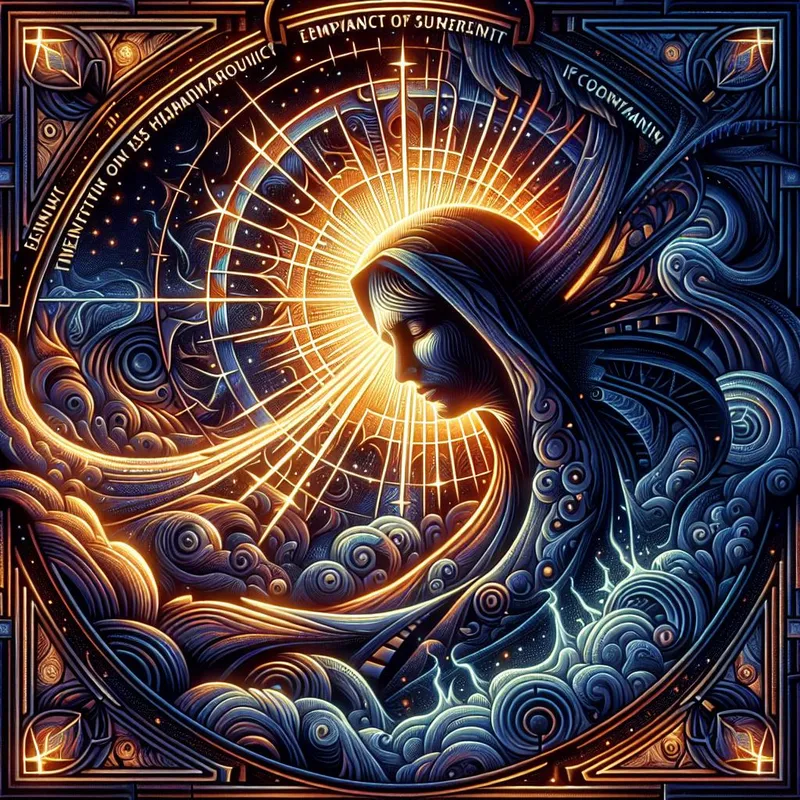
'Unlocking the Mystery of Already Not Yet: Embracing God''s Timeless Plan'
Posted on 08 May 2026
Already but Not Yet: Understanding the Kingdom of God
The concept of "already but not yet" in Christian theology refers to the idea that believers are presently participating in the kingdom of God, even though its complete manifestation is reserved for the future. In other words, we are already experiencing the benefits of God's reign, but we have not yet witnessed its full glory. This theological perspective is closely related to kingdom theology and inaugurated eschatology.
The Nature of the Kingdom
The "already but not yet" framework was first developed by theologian Gerhardus Vos in the early 20th century and further expanded upon by George Eldon Ladd in the 1950s. Ladd argued that the kingdom of God can be understood in two ways: as God's authority and right to rule, and as the realm in which God exercises His authority. According to Scripture, the kingdom of God is both a realm that believers have already entered and one that they will enter fully in the future.
The Present Reality
There is a sense in which God's kingdom is already in force. For instance, Hebrews 2:8–9 acknowledges that while we do not yet see everything subjected to Christ, we do see Jesus crowned with glory and honor because of His redemptive work. Similarly, 1 John 3:2 emphasizes that believers are presently children of God, even though the full extent of what this means has not been revealed. These passages highlight the tension between our present reality as members of God's kingdom and the future fulfillment of His promises.
The Future Fulfillment
Although believers currently experience the benefits of being part of God's kingdom, Scripture also teaches that its ultimate expression is yet to come. Jesus Himself declared that His kingdom is not of this world (John 18:36). Jesus' parables further illustrate how the kingdom grows gradually like yeast in dough or a tree, indicating that it is progressively working towards its ultimate fulfillment. Therefore, while we are already part of God's kingdom, we eagerly await its complete realization when Jesus returns and establishes His reign on earth.
Avoiding Misinterpretations
While the "already but not yet" framework provides a biblical basis for understanding the tension between the present and future aspects of God's kingdom, it is important to avoid misinterpretations. Some teachings, such as the prosperity gospel, use this paradigm to justify the idea that believers can claim God's blessings and bring about the immediate breakthrough of His kingdom in their lives. However, this interpretation goes beyond what Scripture teaches.
Why This Matters
Understanding the concept of "already but not yet" has significant implications for our Christian walk. It reminds us that although we experience the blessings of God's kingdom in the present, our ultimate hope lies in its future fulfillment. This perspective encourages us to hold fast to our faith and persevere through trials, knowing that God's promises will be fully realized at His appointed time.
Think About It
- How does the idea of "already but not yet" impact your understanding of the Christian life?
- In what ways can this perspective bring comfort and encouragement during challenging times?
- How does the concept of the kingdom of God shape your view of prayer and God's role in bringing about His purposes?