'Unveiling the Deception of Antiochus Epiphanes: A Christian Perspective'
Posted on 22 May 2026
Antiochus Epiphanes: A Greek King and Persecutor of the Jews
Antiochus Epiphanes was a Greek king who ruled over the Seleucid Empire from 175 BC to 164 BC. He is known for his attempt to conquer Egypt and his brutal persecution of the Jewish people, which ultimately led to the Maccabean revolt. Antiochus IV, as he is properly known, took on the title "Epiphanes," meaning "illustrious one" or "god manifest." However, his erratic and sacrilegious behavior earned him another nickname among the Jews: "Epimanes," meaning "mad one."
The Altercation with Gaius Popillius Laenas
One notable event involving Antiochus Epiphanes is an altercation with a Roman ambassador named Gaius Popillius Laenas. In 168 BC, Antiochus marched his army towards Egypt, nearly conquering it. However, Popillius stood in his way and delivered a message from the Roman Senate, ordering him to halt the attack. Antiochus responded that he would consider the request and consult with his council. In a dramatic move, Popillius drew a circle in the sand around Antiochus and told him that if he crossed the line without giving an answer, Rome would declare war. Faced with this ultimatum, Antiochus chose to withdraw as Rome had requested.
The Maccabean Revolt and Jewish Persecution
The most significant conflict associated with Antiochus Epiphanes is the Maccabean revolt. During this period, Judaism was divided into two factions: the Hellenists, who embraced pagan practices and Greek culture, and the Traditionalists, who remained faithful to the Mosaic Law and Jewish traditions. In an attempt to avoid a civil war between these factions, Antiochus issued a decree outlawing Jewish religious rites and worship, ordering the Jews to worship Zeus instead of Yahweh. His aim was not just to Hellenize the Jews but to completely eradicate Jewish culture.
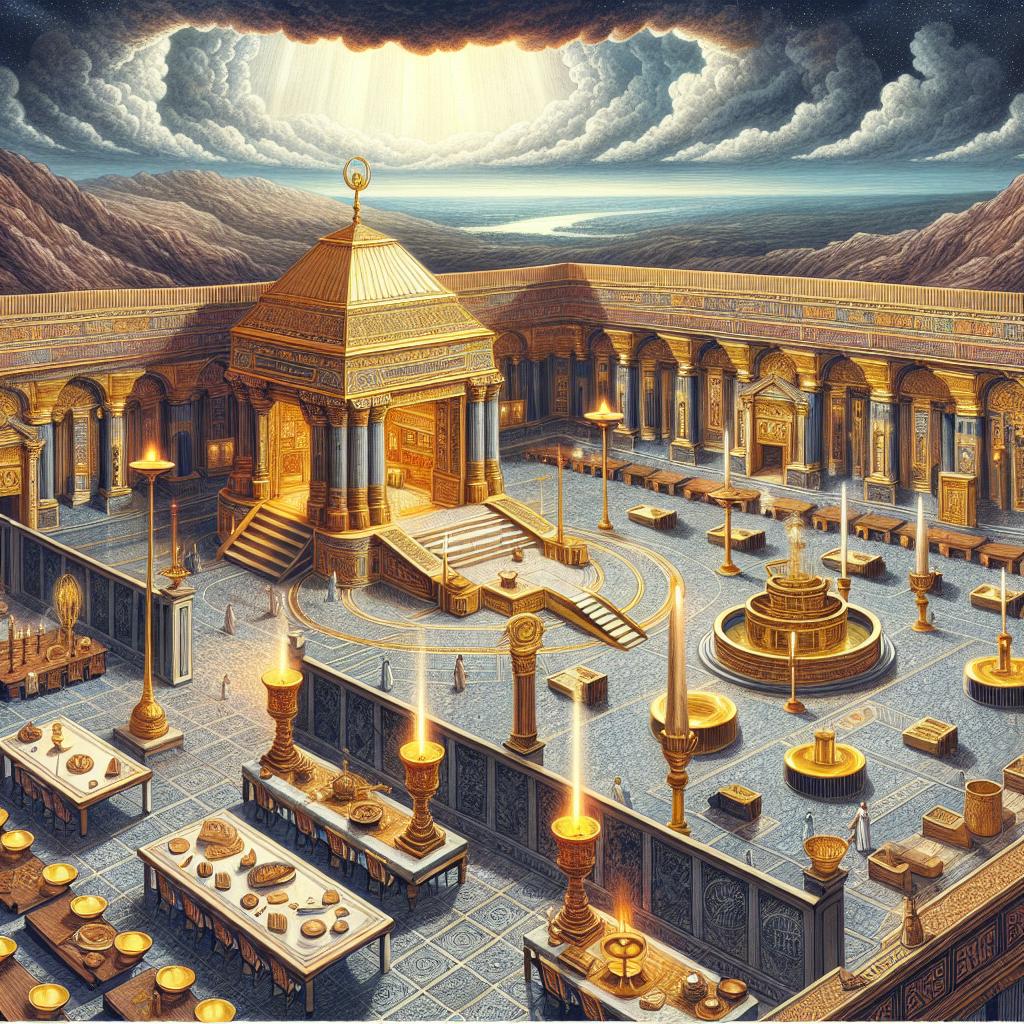
Antiochus went so far as to desecrate the temple in Jerusalem. He stole its treasures, erected an altar to Zeus, and sacrificed swine on the altar. This act of disrespect incited outrage among the Jewish people, leading to a rebellion against Antiochus and his decrees. In response, Antiochus brutally slaughtered many Jews and sold others into slavery. He also enacted even harsher decrees, punishing the practice of circumcision with death and commanding Jews everywhere to sacrifice to pagan gods and consume pork.
The Maccabean Victory and Restoration of the Temple
The Jewish people, led by Judas Maccabeus, rose up in armed resistance against the Syrian-Greek forces of Antiochus Epiphanes. From 167 BC to 166 BC, they achieved a series of victories that eventually led to the expulsion of Antiochus and his Seleucid forces from Jerusalem. After their triumph, the Jews cleansed and restored the temple in 165 BC.
Antiochus Epiphanes as a Foreshadowing Figure
Antiochus Epiphanes holds a significant place in Jewish history as a tyrannical ruler. He also serves as a foreshadowing figure of the coming Antichrist. The prophet Daniel predicted an atrocity in the temple during the end times (Daniel 9:27; 11:31; 12:11). While what Antiochus did can be seen as an abomination, Jesus spoke of Daniel's prophecy as having a future fulfillment (Matthew 24:15–16; Mark 13:14; Luke 21:20–21). The Antichrist will emulate Antiochus Epiphanes in his pride, blasphemous actions, and hatred towards the Jewish people.
Why This Matters
The story of Antiochus Epiphanes and the Maccabean revolt is an important part of Jewish history and provides valuable lessons for Christians. It highlights the importance of remaining faithful to God's commandments and resisting attempts to compromise one's beliefs. Antiochus' persecution of the Jews serves as a reminder of the ongoing spiritual battle faced by believers throughout history.
Think About It
Consider how Antiochus Epiphanes' actions affected the Jewish people and their faith. Reflect on the courage and determination displayed by the Maccabees in standing up against religious oppression. How can this historical account inspire you to remain steadfast in your own faith, even in the face of adversity?