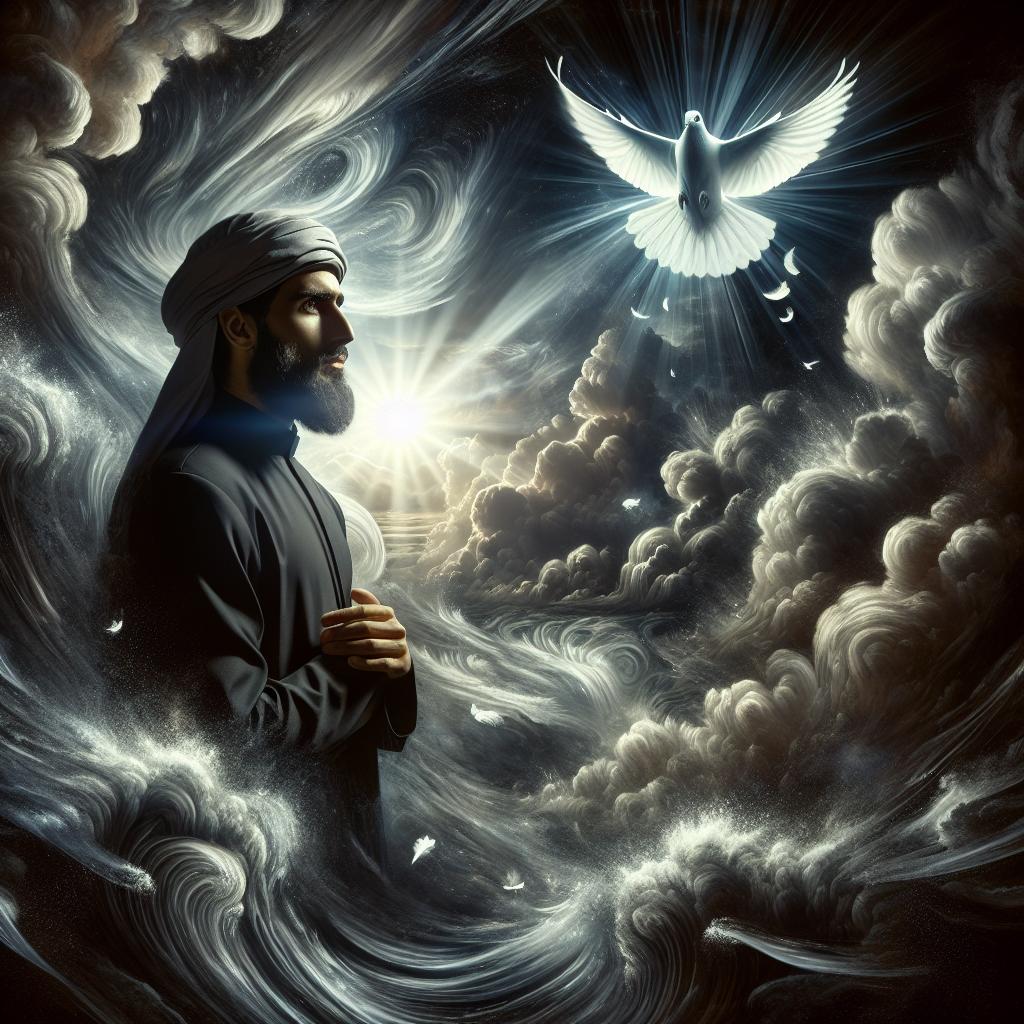
'Unveiling the Apocalypse of Moses: Revealing Biblical Truths'
Posted on 23 May 2026
The Apocalypse of Moses: Unveiling Fictionalized Stories about Adam and Eve
The Apocalypse of Moses, also known as the Life of Adam and Eve, is a book that falls under the category of Pseudepigrapha. Pseudepigrapha refers to "false writings," and while the title of the book attributes authorship to Moses, historians agree that an anonymous writer composed it in the first century AD. The book contains fictionalized stories about Adam and Eve, which means it lacks divine inspiration and fails to meet the standard of the canon, as established by the 66 books of the Bible.
False Attributions and Lack of Authority
The Apocalypse of Moses falsely credits Moses with its authorship, despite its composition thousands of years after his death. Moses was a historical figure known for leading the Israelites out of slavery in Egypt, receiving the Ten Commandments from God, and writing the first five books of the Bible. However, this book appeared much later and has no direct association with him. The false attributions in the titles of pseudepigraphal books were common strategies employed by their anonymous writers to deceive readers into believing their work came from well-known biblical figures.
It is important to note that neither Jewish nor Christian tradition recognizes the Apocalypse of Moses as authoritative. While there may be disagreements among Protestant Christianity, Roman Catholicism, and Eastern Orthodoxy regarding which books meet the standard for the canon, none of these branches of historic Christianity consider the Apocalypse of Moses to be inspired or authoritative. Consequently, this book is not used to establish doctrine or practice in any branch of Christianity.
Distorted Stories and Additions
The Apocalypse of Moses distorts and adds narrative elements to the stories of Adam and Eve that are not found in Genesis, which is divinely inspired Scripture. This distortion goes against biblical teachings that prohibit adding or changing the meaning of Scripture (Proverbs 30:5–6; Revelation 22:18–19). For instance, the book introduces details about the deaths of Adam and Eve that are not mentioned in the Bible.
According to the Apocalypse of Moses, when Adam is dying, he asks Eve and Seth to retrieve healing oil from the Tree of Life. However, Michael the archangel intervenes and denies Adam's request. Consequently, Adam dies, and his spirit ascends to the third level of heaven while his body is buried on earth next to Abel's. The book also states that Eve dies shortly after Adam, and three angels bury her next to her husband. These additions and distortions deviate from the biblical account of Adam and Eve and introduce information that is not supported by Scripture.
Why This Matters
Understanding the origins and nature of the Apocalypse of Moses is important for Christians in order to discern between divinely inspired Scripture and writings that lack divine authority. The Bible, consisting of the 66 books recognized by historic Christianity, has been carefully evaluated and established as inspired by God. It is through these books that Christians derive their doctrine and practice. Recognizing the distinction between canonical Scripture and pseudepigraphal writings helps safeguard against false teachings and ensures adherence to the biblical truths.
Think About It
- Why do you think some writers falsely attributed their works to well-known biblical figures like Moses?
- How can a Christian discern which books are divinely inspired and authoritative?
- In what ways can the distortion or addition of details to biblical stories lead to a misinterpretation of God's Word?
As Christians, it is essential to engage with reliable sources and study God's Word diligently to discern truth from falsehood. While the Apocalypse of Moses may present intriguing narratives about Adam and Eve, it is important to rely on divinely inspired Scripture, specifically Genesis, for an accurate understanding of their lives. By doing so, Christians can grow in their knowledge of God's Word and avoid being led astray by writings that lack divine authority.