Unveiling the Sacred Tradition of Apostolic Succession in Christianity
Posted on 22 May 2026
Apostolic Succession
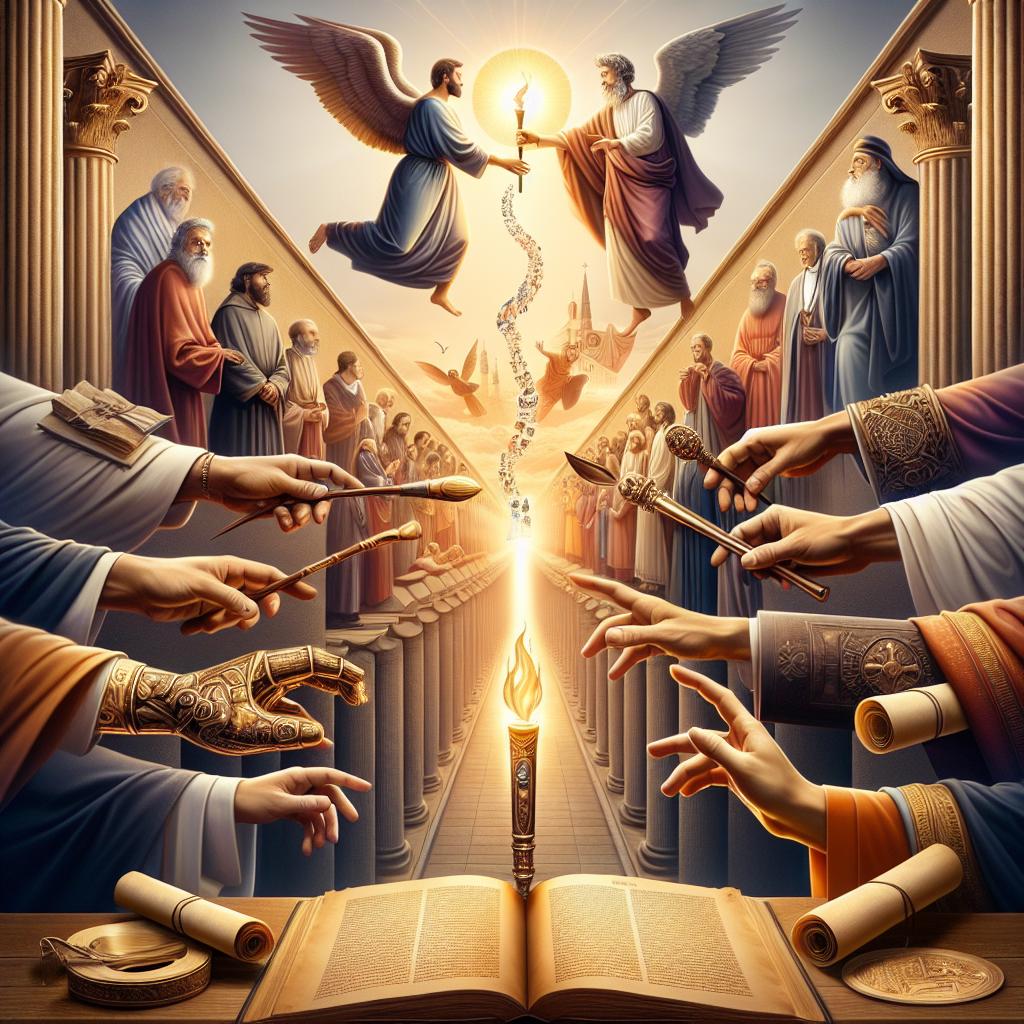
The concept of apostolic succession is a belief held by the Roman Catholic Church that the authority of the original 12 apostles has been passed down through their successors in an unbroken line throughout history. This belief asserts that Peter, one of the apostles, held a prominent leadership role and was the first bishop of Rome. The Roman Catholic Church sees the bishops of Rome, known as popes, as the successors of Peter and the highest authority in the church.
However, there is no mention of apostolic succession in the Bible, and nowhere does it state that Peter had supreme authority over the other apostles. In fact, the apostle Paul rebuked Peter when he led others astray (Galatians 2:11-14). Though Peter may have had a prominent role among the apostles, he was not the commander or supreme authority over them. Even if apostolic succession could be demonstrated from Scripture, which it cannot, it would not result in Peter's successors having absolute supremacy over the other apostles' successors.
Catholics often point to Matthias being chosen to replace Judas as an example of apostolic succession. While Matthias did succeed Judas as an apostle, this does not support the idea of continuing apostolic succession. Rather, it demonstrates the practice of replacing ungodly and unfaithful leaders with godly and faithful leaders. Nowhere in the New Testament do any of the apostles pass on their authority to successors or predict such a practice.
The foundation of the church is built on the teachings and deeds of the apostles as recorded in the New Testament. The church does not need apostolic successors; instead, it needs the teachings of the apostles accurately recorded and preserved. God has provided this through His Word (Ephesians 1:13; Colossians 1:5; 2 Timothy 2:15; 4:2).
In summary, apostolic succession is not a biblical concept. Scripture teaches that the true church should adhere to the teachings of the apostles and compare all doctrines and practices to Scripture to determine what is true and right. While some argue that a lack of ongoing apostolic authority results in doctrinal confusion, the differences in interpretation among non-Catholic churches are often due to individuals interpreting Scripture according to their own traditions. The truth can be easily determined by studying Scripture in its entirety and proper context.
Why This Matters
Understanding apostolic succession is crucial for Christians because it impacts how authority is perceived within the church. If apostolic succession is accepted as necessary for authority, it elevates the office of the Pope and diminishes the role of Scripture. On the other hand, recognizing the sufficiency of Scripture allows Christians to rely on God's Word as the ultimate guide for faith and practice.
Think About It
- How does the concept of apostolic succession affect your understanding of authority in the church?
- Reflect on how you approach interpreting Scripture. Are you open to comparing your beliefs and practices with what the Bible teaches?
- Consider whether you prioritize tradition or Scripture when it comes to determining truth within your faith community.