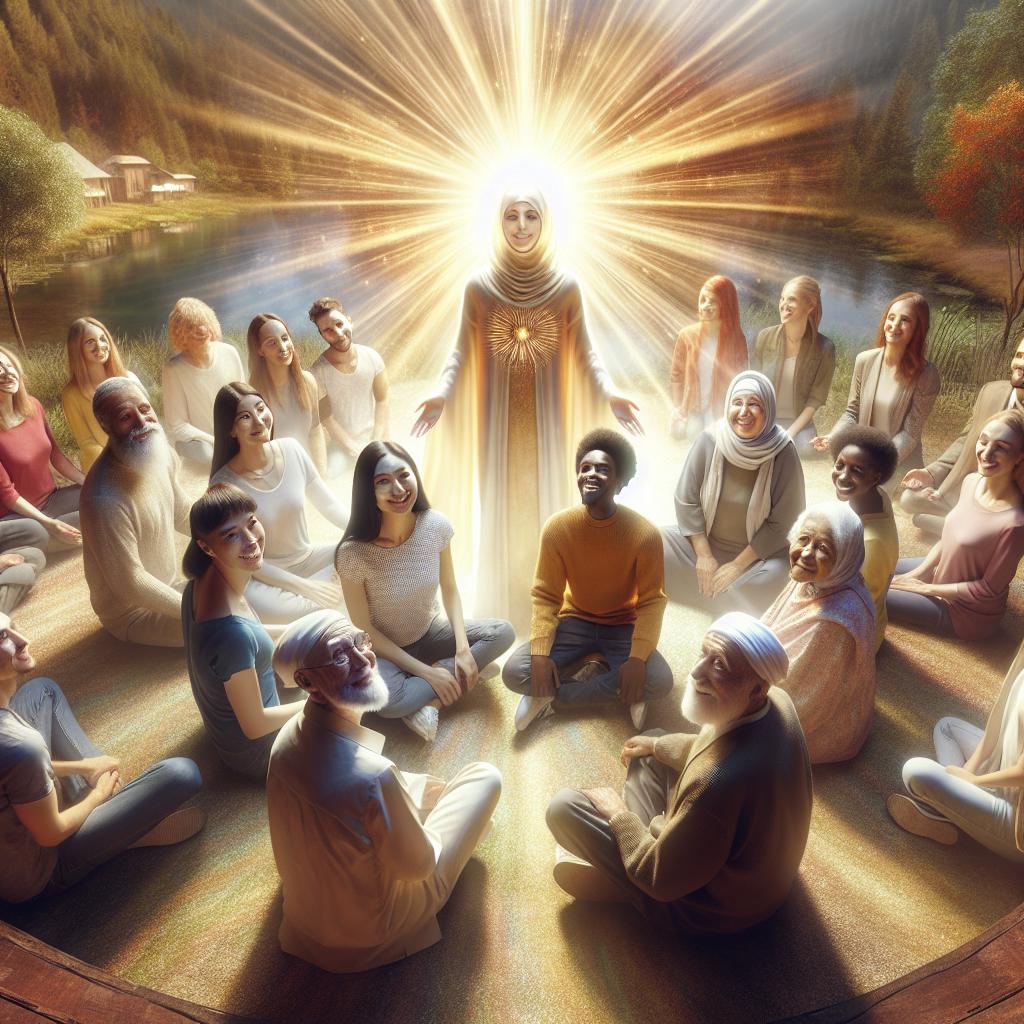
'Ultimate Guide to ASMR Christian Worship: Enhance Your Spiritual Experience'
Posted on 01 June 2026
ASMR and Christianity
Autonomous Sensory Meridian Response (ASMR) is a term that refers to the physical sensation of tingling or static on the skin, usually starting from the scalp and moving down the spine. It is often described as a low-grade euphoria that brings about feelings of physical and emotional pleasure. ASMR is triggered by specific stimuli, which can be acoustic, visual, or a combination of both.
ASMR triggers are typically non-threatening and gentle, involving repetitive and methodical actions. These triggers can include soft whispering, mouth sounds, hand movements, crinkling paper, or quiet noises associated with everyday tasks like turning pages or writing with a pencil. There are numerous audiovisual ASMR triggers available on the internet, with thousands of YouTube channels dedicated to providing content that induces ASMR.
The purpose of ASMR is primarily relaxation and stress reduction. Many people seek out ASMR triggers to help with insomnia, anxiety, panic disorders, and depression. However, it is important to note that there is limited scientific research on the effectiveness or potential harm of ASMR due to its subjective nature.
From a Christian perspective, using ASMR for relaxation, quiet meditation, or improving mental health is not inherently wrong. It is not sinful to find pleasure in beautiful sights or sounds. However, it is crucial for Christians to exercise discernment in how they spend their time and avoid indulging in pleasure for pleasure's sake alone (1 Corinthians 10:31).
Although the general ASMR community claims a non-sexual goal, there is a subculture within ASMR that uses it for sexual gratification. Some ASMR terminology even includes phrases like "brain orgasm" or "Attention-Induced Head Orgasm" (AIHO), which can be concerning from a Christian standpoint. Christians are called to maintain sobriety (Ephesians 5:18; 1 Thessalonians 5:4–8) and preserve sexual purity (1 Corinthians 6:18–20).
It is important to be vigilant and avoid falling into the trap of hedonistic self-indulgence, which can lead to addiction or egocentricity. As believers, our bodies are temples of the Holy Spirit, and we should strive to glorify God in all that we do (1 Corinthians 6:18–20). We should not allow anything to master us (2 Peter 2:19; 1 Corinthians 6:12) and must exercise discernment in what influences we allow into our minds and bodies.
Why This Matters
Understanding ASMR from a Christian perspective is important because it helps believers navigate the use of ASMR triggers in their daily lives. By recognizing the potential pitfalls and being aware of the subculture that uses ASMR for sexual gratification, Christians can make informed decisions about how they engage with ASMR content.
Think About It
- How do you personally experience ASMR? Do you find it beneficial for relaxation or stress reduction?
- Have you ever encountered ASMR content that made you uncomfortable or seemed inappropriate? How did you handle it?
- How can you ensure that your use of ASMR triggers aligns with biblical principles and promotes a healthy mindset?
- Are there any biblical passages or teachings that guide your understanding of how to approach ASMR or similar phenomena?
In conclusion, Christians can use ASMR triggers for relaxation and stress reduction without it being inherently sinful. However, it is essential to exercise discernment, avoid falling into hedonistic self-indulgence, and be aware of the potential for misuse within certain subcultures. By seeking to glorify God in all aspects of life, including our entertainment choices, we can navigate the world of ASMR with wisdom and discernment.
