'Unveiling the Truth: The Sinister Secrets of Backmasking Exposed'
Posted on 01 June 2026
Backmasking
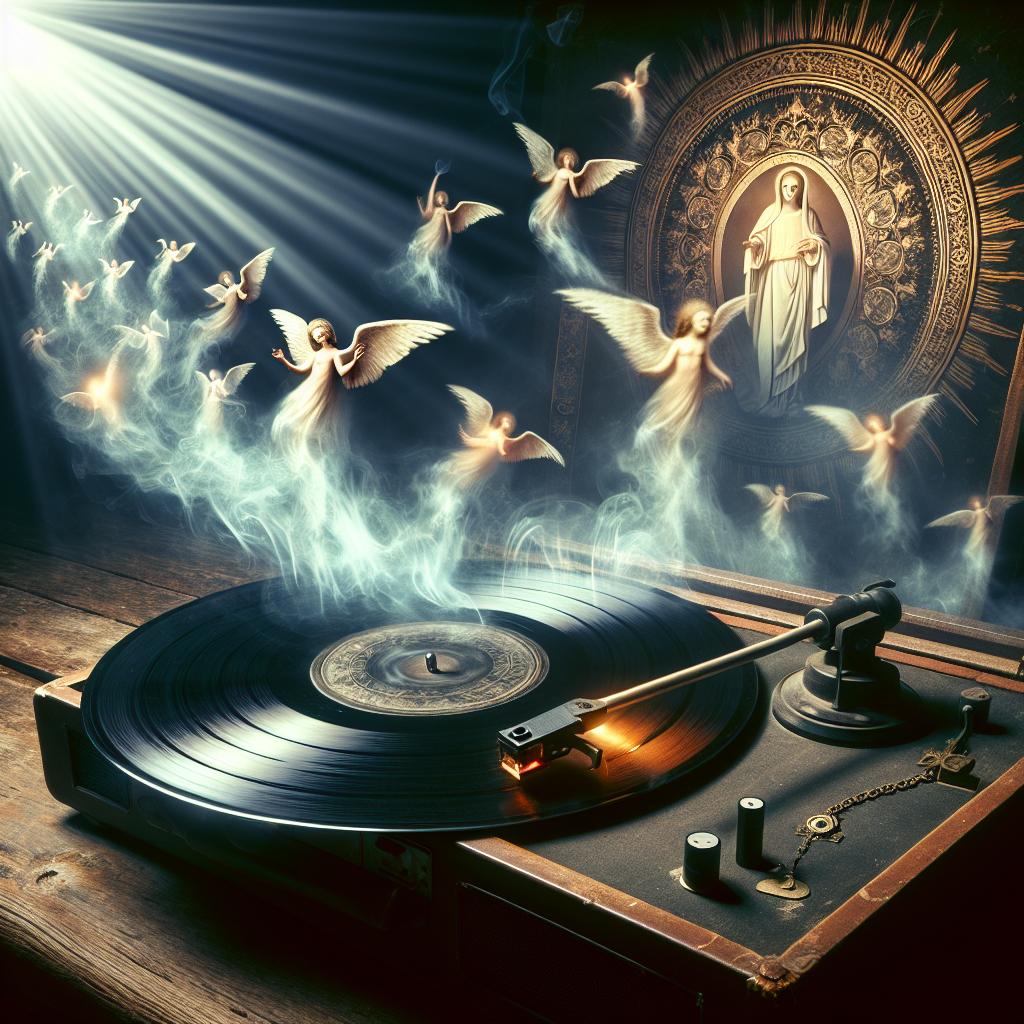
Backmasking, also known as backward masking, is an audio technique where a voice message or series of sounds is recorded backward onto an audio track intended to be played forward. This technique has been used by artists for various purposes, such as creating aesthetic effects or censoring explicit content in radio edits. However, backmasking gained notoriety in the 1970s and 1980s when some Christian groups claimed that satanic messages were being inserted into secular music through this technique.
The History of Backmasking
Backmasking entered its experimental phase in the 1950s but gained popularity with the release of the Beatles' 1966 album, which included backward instrumentation. Since then, many other artists have utilized backmasking in their music. In the past, playing audio tracks backward was relatively simple with vinyl LPs and magnetic audio tape. However, in the digital age, special equipment or software is required to play audio tracks backward.
Controversy and Claims
Backmasking has been a source of controversy among Christians due to claims of hidden messages promoting Satanism. While most musicians deny using backmasking for such purposes, some bands have admitted to deliberately inserting messages into their music. However, the impact of these hidden messages on listeners is subject to debate.
Subliminal Messages and Pareidolia
Opponents of backmasking argue that hidden messages have a subliminal effect on listeners as their subconscious tries to decipher the backward sounds. However, studies have shown that auditory subliminal messages have little to no effect on listeners unless they are already considering or planning to do what is being suggested.
Additionally, pareidolia, a psychological phenomenon where the brain perceives familiar patterns where none exist, can contribute to the perception of hidden messages in songs played backward or at altered speeds. The human brain naturally searches for patterns, leading individuals to hear words that may not have been intentionally inserted.
Discernment and Personal Choices
While backmasking may not be a major concern, it is important to be mindful of the music we allow to occupy our minds. The Bible teaches that whatever the mind dwells upon will eventually come out in a person's words and actions. Therefore, Christians should focus on considering the content of songs and how they personally affect us.
Why This Matters
Understanding backmasking and its controversies helps Christians make informed choices about the music they listen to. It encourages discernment and prompts believers to consider the impact of media on their thoughts, words, and actions. By examining these issues, Christians can develop a biblical framework for engaging with art and culture.
Think About It
- How does backmasking challenge your understanding of music's influence on the mind?
- What criteria can you use to evaluate whether a song is edifying and glorifying to God?
- How might your choices regarding media consumption align with biblical principles?
- In what ways can engaging with art and culture help you grow as a Christian?
By exploring these questions and seeking wisdom from God's Word, Christians can navigate the complexities of backmasking and make choices that honor God in their entertainment choices.
