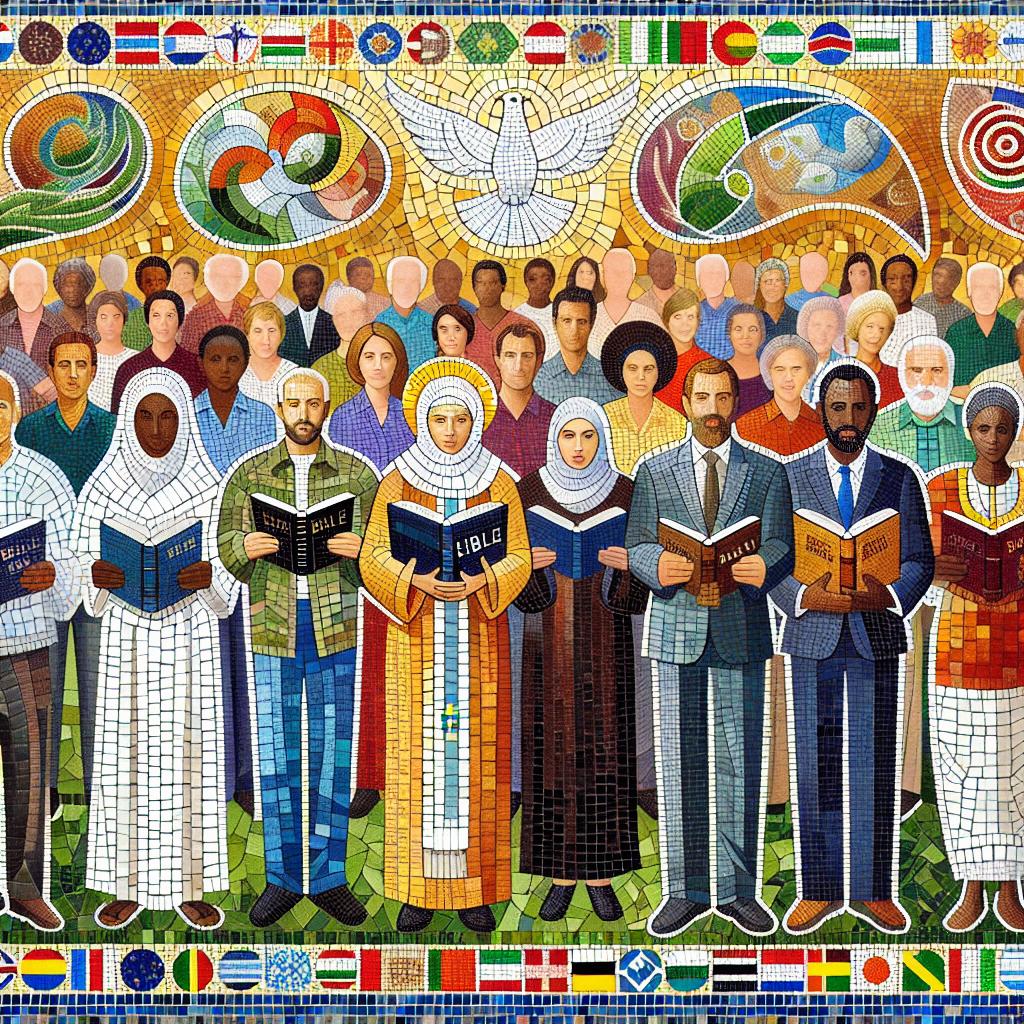
'Unlocking Bible Acculturation: A Christian Guide to Cultural Integration'
Posted on 18 June 2026
Bible Acculturation
Acculturation is the process of adapting to a foreign culture or adopting aspects of another culture. It can also refer to the merging of two cultures to create a new mix of ideas, customs, food, dress, and traditions. In our interconnected world, acculturation is occurring at a faster pace than ever before, thanks to air travel, satellite communication, and the internet. We often see examples of acculturation, such as impoverished tribesmen wearing Nike shoes or Americans adopting Eastern religions and practices. But is acculturation right? Does the Bible address it?
The Biblical View on Acculturation
Acculturation has been a part of human history since ancient times. When one nation defeated another in war, acculturation was expected. Those of the losing party were often taken as slaves or wives and assimilated into the culture of the victors. However, when God created a people set apart for Himself from the descendants of Abraham, He set boundaries for them to avoid acculturation with pagan nations around them. God wanted the Jews to remain distinct from other cultures.
Israel's continued acculturation in religious and moral matters brought the judgment of God upon them. They desired idols like the pagan nations had, demanded a king like those around them had, and intermarried with godless people groups. This type of acculturation led to consequences for rejecting God's commands.
Acculturation in Everyday Life
Acculturation is natural for expatriates living in any country. For example, it is good and proper for someone from Bulgaria living in Brazil to learn Portuguese, adapt to Brazilian customs, and appreciate their culture. Acculturation can be a healthy and beneficial practice when we adopt the best aspects of other cultures as a way of honoring and appreciating what they have to offer.
However, it is crucial not to allow any culture to shape our values and worldviews, including our own. Culture should never be the loudest voice in our lives. Instead, God's Word must be the foundation for everything we think, say, or do. While culture can enhance and magnify biblical truth, it should not contradict morality, integrity, wisdom, or God's Word.
Acculturation and Worldly Views
Acculturation with the world, adopting secular views embraced by the ungodly, has always caused trouble for God's people. The Bible warns against conforming to the patterns of this world and encourages believers to live as "sojourners and exiles," abstaining from the passions of the flesh that wage war against the soul. We are called to live differently from the world and not adopt its ideas or practices when they conflict with God's standards.
When acculturation supports biblical truth, it is something to celebrate. However, if it contradicts morality, integrity, wisdom, or God's Word, it must be rejected. The Bible cautions against embracing worldly values and encourages believers to seek alignment with God's standards rather than conforming to the culture around them.
Why This Matters
Understanding the biblical perspective on acculturation is essential for Christians living in an increasingly interconnected and diverse world. It helps us navigate the challenges of adapting to different cultures while staying true to our faith. By recognizing the potential pitfalls of acculturation and being mindful of how our values and worldviews are shaped by culture, we can ensure that we remain faithful to God's Word.
Think About It
- How can we strike a balance between appreciating and adopting positive aspects of other cultures while remaining firmly grounded in biblical truth?
- What are some examples of acculturation in your own life or in your community? How do these examples align with biblical principles?
- In what ways can acculturation lead to compromising our faith? How can we guard against these compromises?
- How can Christians contribute positively to the cultures they encounter without losing their distinctiveness as followers of Christ?