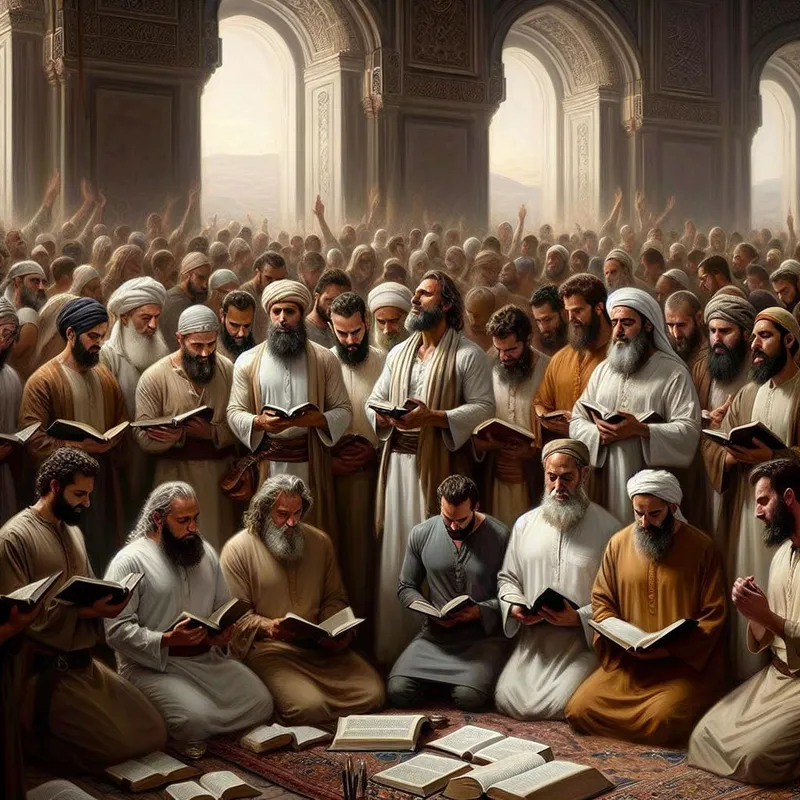
Exploring 7 Inspiring Bible Genres Every Christian Must Know
Posted on 28 June 2026
Bible Genres
The Bible is a collection of books that encompasses various genres. Each genre has its own unique style and purpose, and understanding these genres is essential for accurate interpretation and exegesis of Scripture. By recognizing the genre of a particular book or passage, we can approach it with the appropriate mindset and appreciate its intended meaning.
1. Law
The genre of law includes books such as Leviticus and Deuteronomy. These books express God's sovereign will regarding government, priestly duties, social responsibilities, and more. To understand these passages fully, it is helpful to have knowledge of Hebrew customs and the covenants established in the Bible. Recognizing the legal nature of these texts allows us to grasp their significance in terms of God's instructions for His people.
Why This Matters: Understanding the genre of law helps us appreciate God's guidelines for righteous living and comprehend the historical and cultural context in which these laws were given.
Think About It: Imagine reading a medical textbook as if it were a work of science fiction. Such confusion would lead to misunderstanding and misapplication of the text. Similarly, recognizing the genre of law in the Bible prevents us from misinterpreting it as narrative or poetry.
2. History
Almost every book in the Bible contains elements of history, but certain books like Genesis, Exodus, Numbers, Joshua, Judges, 1 and 2 Samuel, 1 and 2 Kings, 1 and 2 Chronicles, Ezra, Nehemiah, and Acts predominantly fall under this genre. Knowledge of secular history can greatly enhance our understanding of biblical history as both intersect and complement each other. By studying historical context, we gain a richer interpretation of these texts.
Why This Matters: Recognizing the historical genre helps us appreciate the accuracy and reliability of the biblical accounts while providing a framework for understanding God's work throughout history.
Think About It: Just as understanding the historical background of a novel enhances our appreciation of the story, recognizing the historical genre in the Bible allows us to see God's providential hand at work in the lives of His people.
3. Wisdom
The genre of wisdom literature includes books like Proverbs, Job, and Ecclesiastes. These books contain aphorisms that teach the meaning of life and provide practical guidance for righteous living. Some passages in this genre use metaphorical and poetic language, which should be considered during analysis. Understanding the figurative nature of wisdom literature helps us discern their deeper meanings.
Why This Matters: The wisdom genre offers insights into God's principles for living a wise and righteous life, providing guidance and encouragement for believers.
Think About It: Just as we learn valuable life lessons from fables and parables, recognizing the wisdom genre in the Bible allows us to glean timeless truths that can shape our character and choices.
4. Poetry
Poetry is another significant genre found in the Bible, with books such as Psalms, Song of Solomon, and Lamentations falling under this category. These poetic books utilize rhythmic prose, parallelism, and metaphor to express deep emotions and spiritual truths. Although translating poetry can be challenging, we can still appreciate the expressive language used and the beauty within these texts.
Why This Matters: Recognizing the poetic genre helps us engage with the emotional and artistic aspects of Scripture, allowing us to connect with God on a deeper level through expressive language.
Think About It: Just as we appreciate the lyrical qualities of songs or poems, recognizing the poetry genre in the Bible allows us to experience the heartfelt expressions of praise, lament, and devotion found in these books.
5. Narrative
The narrative genre encompasses books like the Gospels (biographical narratives about Jesus), as well as Ruth, Esther, and Jonah. These books tell stories and employ various narrative techniques. For example, the Gospels include parables and discourses within their narrative structure. Ruth serves as a well-crafted short story, demonstrating succinctness and structure.
Why This Matters: Understanding the narrative genre helps us appreciate the power of storytelling in conveying God's truth and character, as well as the historical events and people involved.
Think About It: Just as we engage with novels or movies to experience compelling stories, recognizing the narrative genre in the Bible allows us to immerse ourselves in the lives of biblical characters and witness God's hand at work in their stories.
6. Epistles
Epistles are letters, typically written in a formal style. In the New Testament, there are 21 letters from the apostles to various churches or individuals. These letters resemble modern letters, consisting of an opening, greeting, body, and closing. The epistles clarify previous teachings, provide rebukes, explain concepts in depth, correct false teachings, and offer practical guidance for Christian living. Understanding the cultural, historical, and social context of the original recipients helps us grasp the intended message.
Why This Matters: Recognizing the epistolary genre enables us to understand the specific instructions and theological teachings given to early Christians, which can inform our own beliefs and practices today.
Think About It: Just as we value personal letters that offer guidance or encouragement, recognizing the epistle genre in the Bible allows us to receive wisdom directly from the apostles themselves.
7. Prophecy
The prophetic writings encompass the Old Testament books of Isaiah through Malachi and the New Testament book of Revelation. These books contain predictions of future events, warnings of coming judgment, and an overview of God's plan for Israel. Apocalyptic literature, a specific form of prophecy involving symbols and imagery, is found in books like Daniel, Ezekiel, Zechariah, and Revelation. Proper interpretation of these genres requires careful exegesis, an understanding of biblical context, and prayerful consideration.
Why This Matters: Recognizing the prophetic genre helps us grasp God's plans and purposes for the future, providing hope and assurance in His sovereignty.
Think About It: Just as we anticipate the fulfillment of promises or predictions in our own lives, recognizing the prophetic genre in the Bible allows us to trust in God's faithfulness and look forward to His ultimate plan being fulfilled.
Conclusion
Understanding the genres of the Bible is crucial for accurate interpretation. Each genre serves a unique purpose and conveys God's message in different ways. By recognizing the genre, we can approach Scripture with the appropriate mindset, appreciating its intended meaning and gaining deeper insights into God's character and His plans for humanity.
As we engage with the various genres in the Bible, it is important to remember that God desires us to have a correct understanding of His Word. He is not the author of confusion but provides us with the tools necessary to "correctly handle the word of truth" (2 Timothy 2:15). By studying the genres and historical context, we can gain a more comprehensive understanding of the Bible and grow in our knowledge and love for God. Let us approach Scripture with humility, seeking guidance from the Holy Spirit as we dive into its rich and diverse genres.
