'Inequality in the Bible: Unveiling Divine Justice for Christians'
Posted on 01 July 2026
Bible Inequality
The concept of equality has been a central theme in Western culture for the past century. While we often assume that the Bible fully supports this idea, it is important to understand what the Bible means by equality. Equality can refer to sameness in measure, likeness in quality or nature, or impartiality in treatment. It is crucial to separate naturally occurring inequalities from behavioral inequalities.
Every Human Being is Created with Equal Value
According to the Bible, all human beings have equal value because they are created in the image of God. Genesis 1:27 states, "So God created mankind in his own image, in the image of God he created them; male and female he created them." This means that every human being shares a natural equality with one another because they are all created in God's image. No person has been created more or less like God than anyone else.
Salvation Levels the Playing Field
Society often divides people based on race, ethnicity, gender, and economic status, which can lead to favoritism and partiality. However, when it comes to salvation, all people are equal. God sent His only begotten Son into the world to take the punishment for our sins (John 3:16–18), showing great impartiality. All individuals are equally sinners and equally in need of a Savior. Regardless of their differences, all people must be saved through faith in Christ and have equal rights and privileges as members of the family of God (Colossians 3:11; Galatians 3:28). In matters of salvation, there is no distinction or favoritism.
Inequalities in Human Experience
While all humans have equal value and standing before God, we are not equal in every way. We are each unique creations with physical, intellectual, emotional, and economic differences. The Bible does not apologize for these differences; instead, it acknowledges and accepts them. God understands that people tend to place more value on certain characteristics such as height and strength, which can negatively impact human experience. However, the Bible reveals that God takes note of the helpless and expects those who are better off to bear the burdens of those in need. The Bible frequently addresses the importance of caring for the widow, the fatherless, and the marginalized (Exodus 22:21–23; Deuteronomy 10:18; Jeremiah 7:6; Zechariah 7:10). The early church also prioritized taking care of widows (Acts 6:1; 1 Timothy 5:3).
Social Class Distinctions
The Bible acknowledges class distinctions and discusses both slavery and poverty without passing moral judgment on either. Instead of abolishing these societal systems, God sets boundaries and gives guidelines about how His people should behave within them. The Bible's treatment of slavery is often criticized because it instructs kindness and respect between slaves and masters but does not completely abolish the practice (Ephesians 6:5; 1 Timothy 6:1; Colossians 3:22). Beggars were common in Jesus' time, yet He did not lead a political crusade to redistribute wealth. God is aware of the imbalances in human experience, but the Bible usually addresses these inequalities as opportunities for His people to develop empathy and compassion. Inequalities in social rank, physical abilities, or financial resources serve as occasions for us to love our neighbors as ourselves (Leviticus 19:18; Romans 13:9; Mark 12:31). God often uses these inequalities to teach and develop Christ-like character in us and those we serve.
Behavioral Inequality
Behavioral inequalities differ from natural inequalities because they stem from choices we make. The decisions we make can lead to unequal outcomes. The Bible distinguishes between fools and wise people, highlighting the unequal paths they take and the consequences of their choices. Fools refuse sound counsel and fail to learn from their mistakes, leading to negative effects (Proverbs 1:24–26; Proverbs 26:11). Poor decisions have long-lasting effects, much like ripples caused by a rock dropped into a pond. Behavioral inequalities are voluntary and result from our words and actions.
Patterns and Cycles of Inequality
Exodus 20:5–6 discusses how inequality can be passed down from generation to generation. God warns that the sins of the parents can affect their children for several generations, but He also promises love to a thousand generations of those who love Him and keep His commandments. This passage highlights patterns and cycles within families. Patterns tend to repeat themselves, and we often adopt the sinful behaviors of our parents. However, we are not doomed to repeat their mistakes. We can break the cycle by keeping God's commandments. Despite having bad parents or making mistakes with our own children, we have the opportunity to make different choices.
Jesus: The Great Equalizer
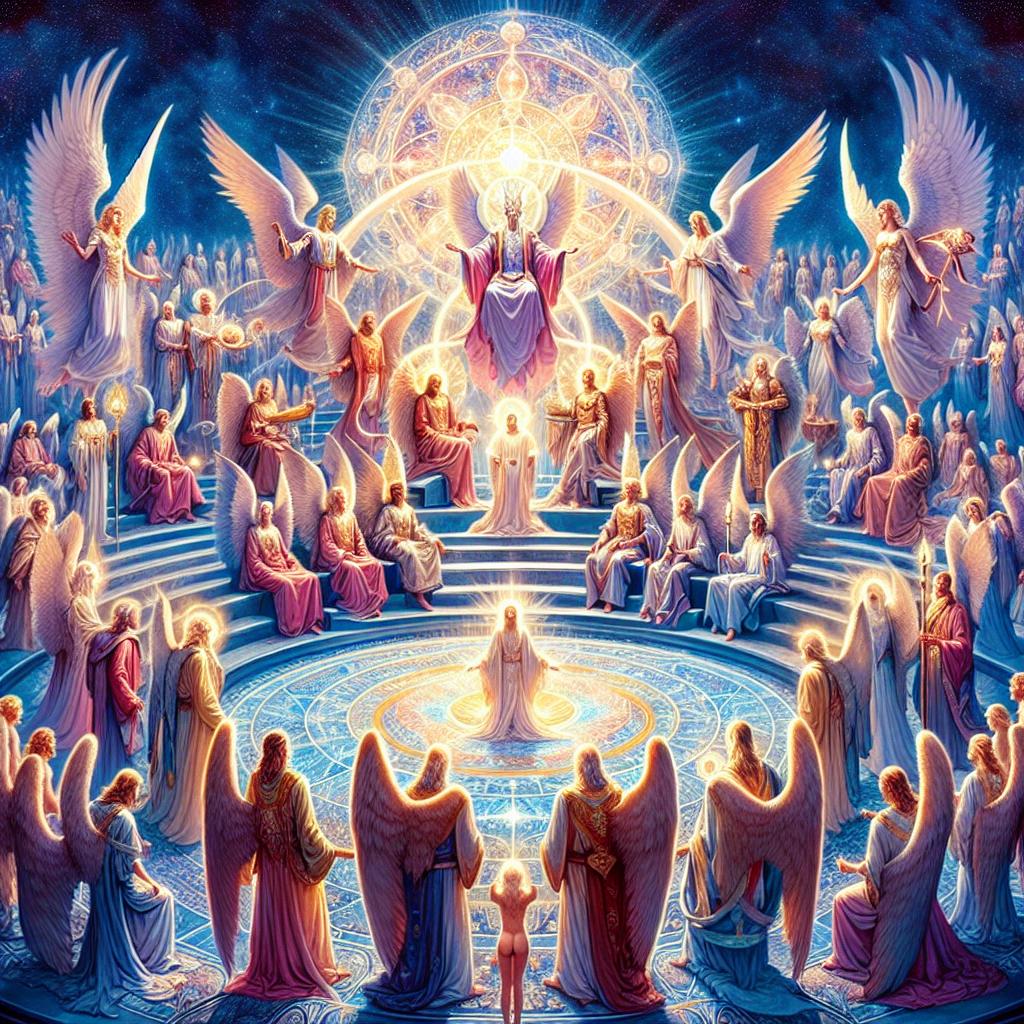
Jesus is the ultimate equalizer. In Him, all iniquitous inequalities cease to exist. There is no favoritism in Him (Acts 10:34). When Jesus returns, He will judge with justice, giving fairness to the poor and making righteous decisions for the exploited (Isaiah 11:3–4, NLT). God's throne will be surrounded by people from every nation, tribe, and tongue, united in praise to His name (Revelation 7:9–10). All our differences and inequalities will showcase His glory in unique and personal ways.
Why This Matters
Understanding the biblical perspective on equality helps us navigate societal issues related to inequality. It reminds us that all human beings have equal value because they are created in God's image. It also teaches us to treat others with impartiality and to care for the marginalized. Recognizing that certain inequalities are a result of sin's effects helps us respond with empathy and compassion. Moreover, understanding that Jesus is the great equalizer gives us hope for a future where all inequalities will be eradicated.
Think About It
- How does the biblical concept of equality differ from society's understanding of equality?
- In what ways can you actively demonstrate impartiality and care for the marginalized?
- How can you break patterns and cycles of inequality in your own life and family?
- How does the hope of Jesus as the great equalizer impact your perspective on societal inequalities?