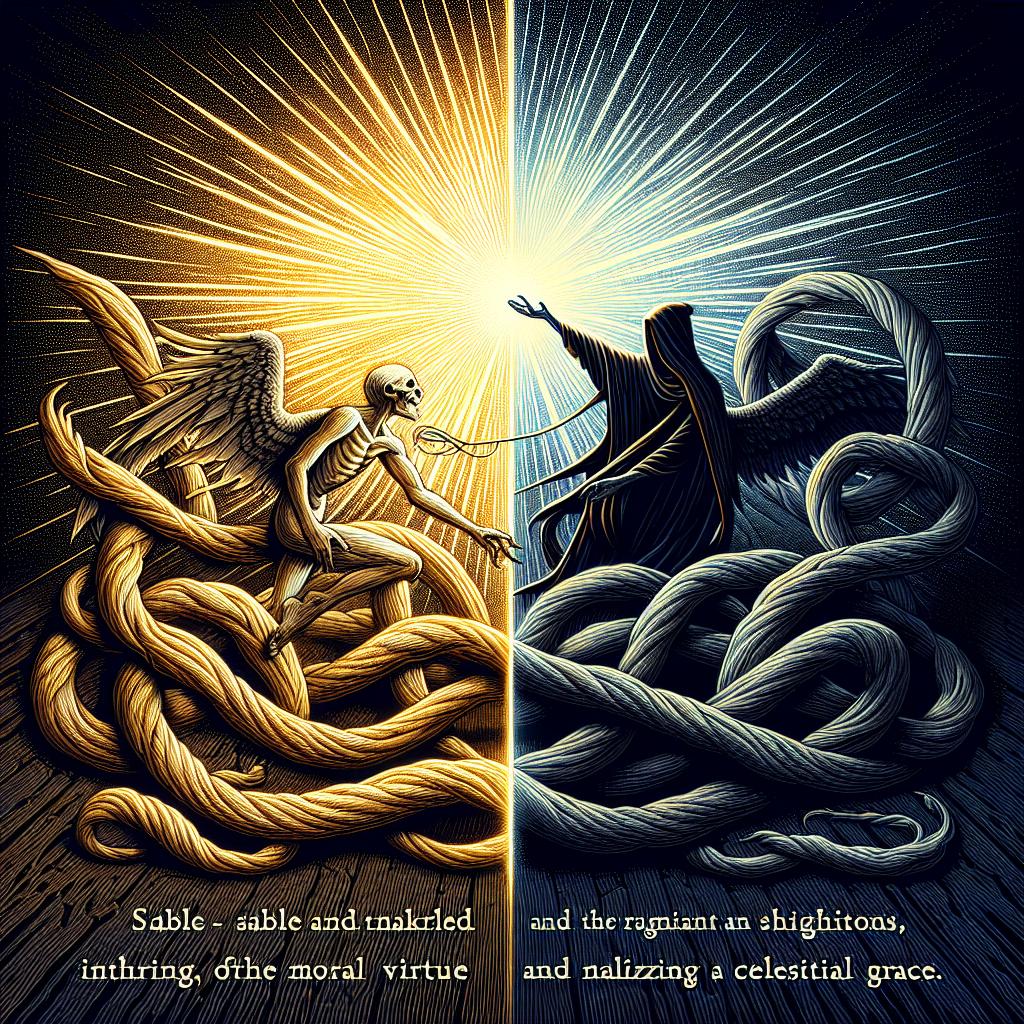
'Unveiling Bible Iniquity: Understanding Sin in Scripture'
Posted on 05 July 2026
Bible Iniquity
In the Bible, the term "iniquity" is often used to describe the highest level of disobedience to God, categorized as "sin." Iniquity refers to guilt that is worthy of punishment. It is sin at its worst, characterized by premeditation, continuity, and escalation.
When we flirt with sin, we may believe that we can control it. However, just like a cute baby monkey can grow into a wild and uncontrollable primate, sin that initially seems harmless can quickly take control of our lives without our realizing it. When we give ourselves over to a sinful lifestyle, sin becomes our god instead of the Lord (Romans 6:14).
When we recognize that we have sinned, we have a choice to make. We can acknowledge the evil nature of our actions and repent. Through repentance, we find forgiveness and cleansing from God (Jeremiah 33:8; 1 John 1:9). Alternatively, we can harden our hearts and sink deeper into that sin until it defines who we are.
The psalmists distinguish between sin and iniquity when they ask God for forgiveness (Psalm 32:5; 38:18; 51:2; 85:2). Iniquities are sins that consume a person's life to the point where they are identified by their sinful lifestyle. Partial lists of iniquities are mentioned in Galatians 5:19–21 and 1 Corinthians 6:9–10.
If we continue to choose sin, our hearts become hardened towards God. One sin leads to another, and iniquity starts to define our lives. This was evident in the life of King David when he sinned with Bathsheba (2 Samuel 11:3–4). His initial sin of lust led to a hardening of his heart, resulting in deeper sins like adultery and murder. Iniquity had taken control of David's life. It was only when confronted by the prophet Nathan that David repented with great sorrow. His heartfelt cry for forgiveness can be found in Psalm 51. David serves as an example of someone who understood the progression of iniquity and experienced God's mercy and forgiveness (Psalm 103:1–5).
The second half of Romans 1 outlines the progression of sin (verses 10–32). For those with hardened hearts, the end result is that God turns them over to a "reprobate mind" (verse 28, KJV), where they no longer have the desire or ability to repent. A reprobate mind refers to being thoroughly depraved and given over to evil until the conscience is seared.
While the Bible makes it clear that God forgives even iniquity (Micah 7:18), if we persist in it, we will ultimately face the consequences of our actions, which is eternal separation from God (Romans 6:23).
Why This Matters
Understanding the concept of iniquity is crucial for believers because it highlights the severity of sin and its potential consequences. Iniquity represents a deliberate choice to engage in sinful behavior, leading to a hardening of the heart and a departure from God's will. By recognizing the progression of sin and its destructive nature, we can guard ourselves against falling into patterns of iniquity.
Think About It
- Have you ever experienced a situation where a seemingly small sin escalated into something more significant? Reflect on how this progression occurred and how it affected your relationship with God.
- How does understanding the concept of iniquity change your perspective on sin? Does it make you more cautious about the choices you make?
- Consider King David's life and his journey from lust to murder. What lessons can you learn from his story about the dangers of iniquity and the importance of repentance?
- In what ways can you guard yourself against the progression of iniquity in your own life? How can you stay close to God and continually seek His forgiveness and guidance?
- Take some time to reflect on God's mercy and forgiveness. How does knowing that God forgives even iniquity impact your relationship with Him?