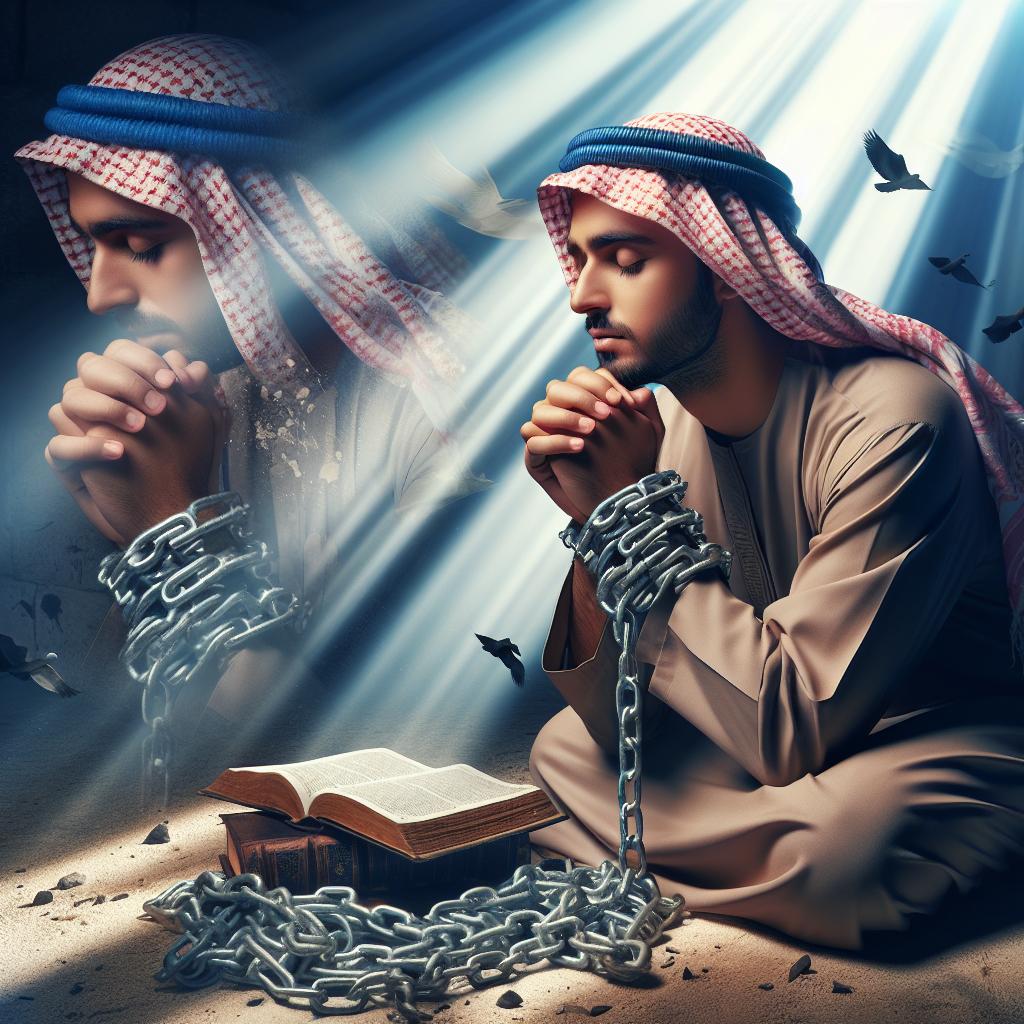
'Unveiling the Truth About Chrislam: A Christian Perspective'
Posted on 23 August 2026
Chrislam
Chrislam is an attempt to syncretize Christianity with Islam. Although it originated in Nigeria in the 1980s, the concept of Chrislam has spread across the world. It seeks to blur the differences and distinctions between Christianity and Islam, suggesting that one can be a Christian and a Muslim simultaneously. While some proponents of Chrislam point to similarities between the two religions, such as references to Jesus in the Qur'an and shared teachings on morals and ethics, it ultimately fails due to the fundamental disagreement on the identity of Jesus Christ.
The Compatibility Debate
Advocates of Chrislam argue that Christianity and Islam can be compatible due to their shared values and teachings. They highlight instances where Jesus is mentioned in the Qur'an and emphasize similar moral principles found in both religions. Additionally, some proponents believe that it is crucial for the two largest monotheistic religions to unite against rising atheism and alternative spiritualities.
However, while there are indeed similarities between Christianity, Islam, and even Judaism, these commonalities are outweighed by their fundamental differences. The key issue at the heart of this debate revolves around the identity of Jesus Christ.
Diametrically Opposed Views
True Christianity unequivocally declares Jesus to be God incarnate. His deity is a non-negotiable aspect of Christian faith, as it is through His divine nature that His sacrifice on the cross becomes sufficient for the redemption of humanity's sins. This belief sets Christianity apart from other religions.
In contrast, Islam adamantly rejects the deity of Christ. According to the Qur'an, considering Jesus as God is blasphemous and contradicts Islamic monotheism. Furthermore, Islam denies Jesus' death on the cross, which holds immense significance in Christian doctrine as the ultimate act of atonement for humanity's sins.
These opposing views make it clear that Christianity and Islam are fundamentally incompatible. The rejection of Christ's deity and the denial of His sacrificial death on the cross create an insurmountable divide between the two religions.
Why This Matters?
Understanding the incompatibility between Christianity and Islam is crucial for Christians. It helps to affirm and strengthen their faith, ensuring they remain true to the core tenets of Christianity. Recognizing the differences between these two religions enables Christians to engage with Muslims respectfully and constructively, focusing on areas where dialogue and understanding can be fostered without compromising their own beliefs.
It is also important for Christians to be aware of Chrislam as a concept because it can be deceptive. Some individuals may attempt to merge elements of Christianity and Islam without fully understanding or acknowledging the irreconcilable differences between them. By being well-informed, Christians can discern and avoid any teachings or practices that deviate from biblical truth.
Think About It
Considering the central role Jesus plays in both Christianity and Islam, it becomes evident that the deity of Christ is a pivotal point of contention. Reflecting on this can deepen Christians' appreciation for the unique significance of Jesus' identity as God in human form. It reinforces the importance of upholding this foundational belief while engaging in discussions about religious compatibility.
Furthermore, contemplating the implications of Chrislam prompts Christians to reflect on their own convictions and understanding of their faith. It encourages them to seek a deeper knowledge of Scripture and engage in thoughtful conversations about Christianity's distinctiveness.
In conclusion, while Chrislam proposes that Christianity and Islam are compatible, it fails to acknowledge the fundamental differences between these two religions. The rejection of Jesus' deity and denying His death on the cross make it impossible for true Christianity and Islam to merge into a single belief system. Understanding this incompatibility allows Christians to engage respectfully with Muslims while remaining steadfast in their faith. By recognizing these differences, Christians can navigate conversations about religious compatibility with wisdom and discernment, ultimately strengthening their own understanding of biblical truth.