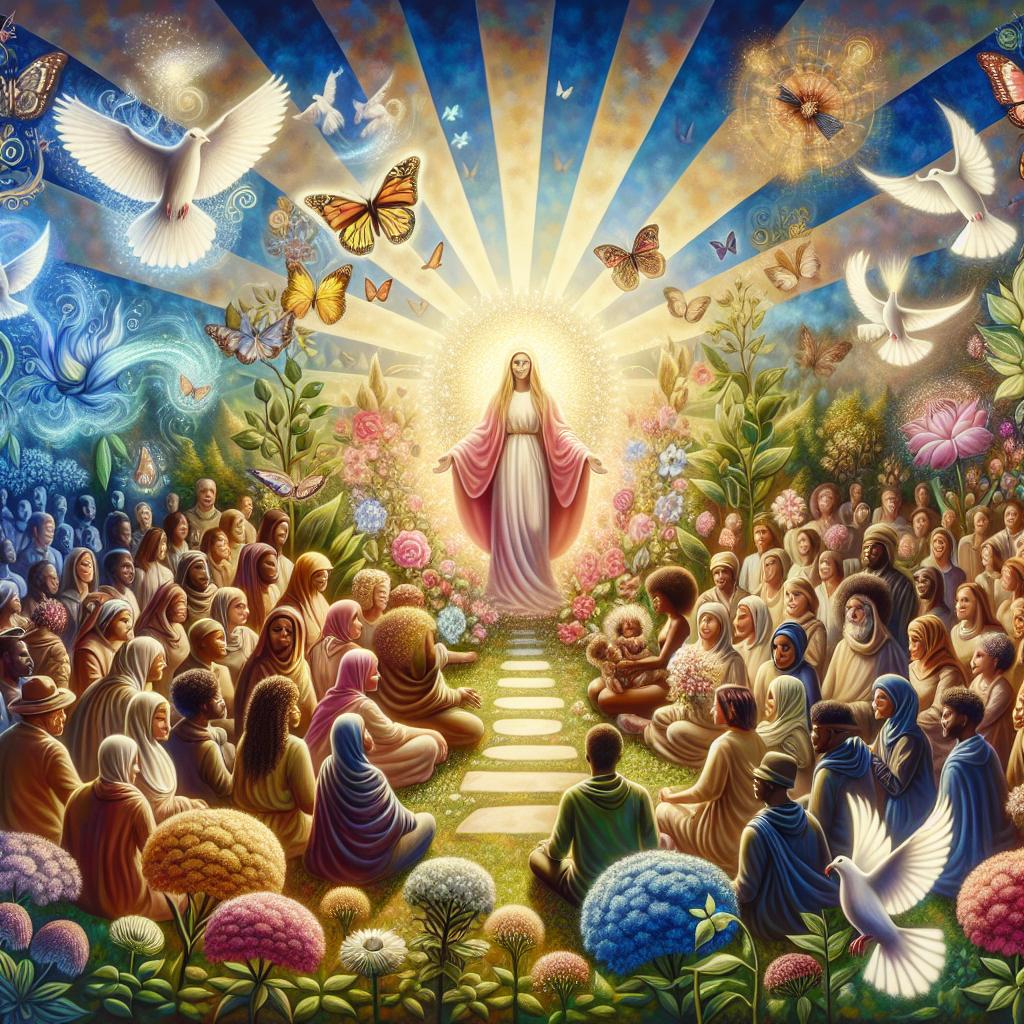
'Ultimate Guide to Christian Anthropology: Unveiling the Truth'
Posted on 26 August 2026
Christian Anthropology
Anthropology is the study of humanity, and Christian Anthropology is the study of humanity from a Christian or biblical perspective. It seeks to understand the nature of humanity, particularly how the immaterial and material aspects of man relate to each other. In this article, we will explore key questions in Christian Anthropology and examine the biblical perspective on these matters.
The Image of God
One of the central concepts in Christian Anthropology is the idea that man is made in the image and likeness of God. This concept is found in Genesis 1:26-27, where it states, "Then God said, 'Let us make mankind in our image, in our likeness.'" The image of God refers to the immaterial part of man that sets him apart from the animal world. It is what enables man to have a relationship with his Maker and gives him the capacity for moral, social, and intellectual development.
Why This Matters: Understanding that we are made in the image and likeness of God helps us recognize our inherent value and dignity as human beings. It also emphasizes the importance of our relationship with God and our responsibility to reflect His character in our lives.
Think About It: How does being made in the image of God impact how we view ourselves and others? How should this understanding shape our interactions and relationships with one another?
Body, Soul, and Spirit
Christian Anthropology also explores the composition of humanity, specifically whether we have two parts (body and soul-spirit) or three parts (body, soul, and spirit). The Bible teaches that human beings were created with both material and immaterial aspects. The material aspects are tangible and only exist as long as a person is alive. The immaterial aspects include the soul, spirit, intellect, will, conscience, and more. These characteristics exist beyond the physical lifespan of an individual.
Why This Matters: Recognizing our dual nature as both physical and spiritual beings helps us understand the complexity of our existence and the importance of nurturing both aspects. It also highlights the significance of our spiritual relationship with God.
Think About It: How do you nurture both your physical and spiritual well-being? How can you prioritize your spiritual growth in your daily life?
The Distinction between Soul and Spirit
Within the immaterial aspects of man, Christian Anthropology distinguishes between the soul and spirit. Both refer to the immaterial part of man, but they have different functions. The "soul" refers to man's walk in the world, encompassing both material and immaterial aspects. It includes emotions, thoughts, desires, and the self-consciousness that relates to our earthly existence. On the other hand, the "spirit" refers to man's walk with God. It is the part of us that is capable of communing with God, receiving divine revelation, and experiencing spiritual transformation.
Why This Matters: Understanding the distinction between soul and spirit helps us recognize the importance of cultivating a relationship with God and aligning our lives with His purposes. It also reminds us that our spiritual well-being is essential for our overall flourishing.
Think About It: How do you nurture your soul through self-reflection, emotional well-being, and personal growth? How can you deepen your spiritual connection with God?
The Origin of Races
Christian Anthropology also addresses questions about the origin of different races or skin colors within humanity. The Bible does not explicitly provide an origin for these variations. In reality, there is only one race - the human race. However, there is vast diversity in skin color and other physical characteristics within this race. These variations are a result of genetic differences that have developed over time due to factors such as geographic isolation and adaptation to different environments.
Why This Matters: Recognizing that all humans belong to one race helps us embrace the biblical truth that all people are equal and deserving of dignity and respect. It challenges us to celebrate diversity and reject any form of racial discrimination or prejudice.
Think About It: How can we promote unity and understanding among people of different races and ethnicities? How does our belief in the inherent worth of every person influence our attitudes and actions towards others?
Redemption and Transformation
Christian Anthropology also explores the fallen nature of humanity and the need for redemption and transformation. The Bible teaches that all humans are sinful by nature, separated from God, and in need of salvation. However, through faith in Jesus Christ, our fallen natures can be transformed, and we can be reconciled to God. This transformation is a result of God's grace, which makes us new creations in Christ.
Why This Matters: Recognizing our fallen nature helps us understand the depth of God's love and sacrifice for us. It also emphasizes the transformative power of faith in Jesus Christ, which enables us to live in alignment with God's purposes.
Think About It: How has your faith in Jesus Christ transformed your life? In what ways have you experienced God's grace and forgiveness?
Understanding Ourselves from God's Perspective
Christian Anthropology enables us to understand ourselves from God's perspective. It provides a framework for comprehending our purpose, nature, and relationship with God. By delving into this subject, we gain a deeper understanding of our fallen state and the incredible love demonstrated by Jesus on the cross for our salvation. Accepting His sacrifice and receiving it as our own allows God to create a new person within us, transforming our nature.
Why This Matters: Understanding ourselves from God's perspective helps us recognize our identity as beloved children of God. It empowers us to live out our purpose and fulfill our potential as individuals created in His image.
Think About It: How does understanding yourself from God's perspective impact your self-worth and identity? How can you align your life more closely with God's purposes for you?
In conclusion, Christian Anthropology provides a biblical perspective on the nature of humanity. It explores concepts such as the image of God, the composition of humanity, the distinction between soul and spirit, the origin of races, and the need for redemption and transformation. Understanding ourselves from God's perspective helps us recognize our inherent worth, embrace our dual nature as physical and spiritual beings, and live in alignment with His purposes for us. As we engage with Christian Anthropology, we grow in our understanding of God's love for us and our calling as His beloved children.
"I praise you because I am fearfully and wonderfully made; your works are wonderful, I know that full well." (Psalm 139:14)