'Ultimate Guide to Christmas Nativity: Symbolism and Significance Revealed'
Posted on 19 October 2026
Christmas Nativity: A Timeless Tradition
The Christmas nativity scene holds a special place in the hearts of Christians around the world. This beloved tradition, which dates back to the 13th century, portrays the birth of Jesus Christ as described in the Gospels of Matthew and Luke. From picturesque displays in front of churches and homes to live demonstrations and carvings, nativity scenes are a beautiful reminder of the true meaning behind Christmas.
The Origins of the Nativity Scene
Tradition tells us that it was Francis of Assisi who created the first Christmas nativity scene in AD 1223. After returning from a pilgrimage to the Holy Land and Christ's birthplace, he wanted to create a visual representation of the miraculous event. This sparked a new tradition that quickly spread throughout Western countries.
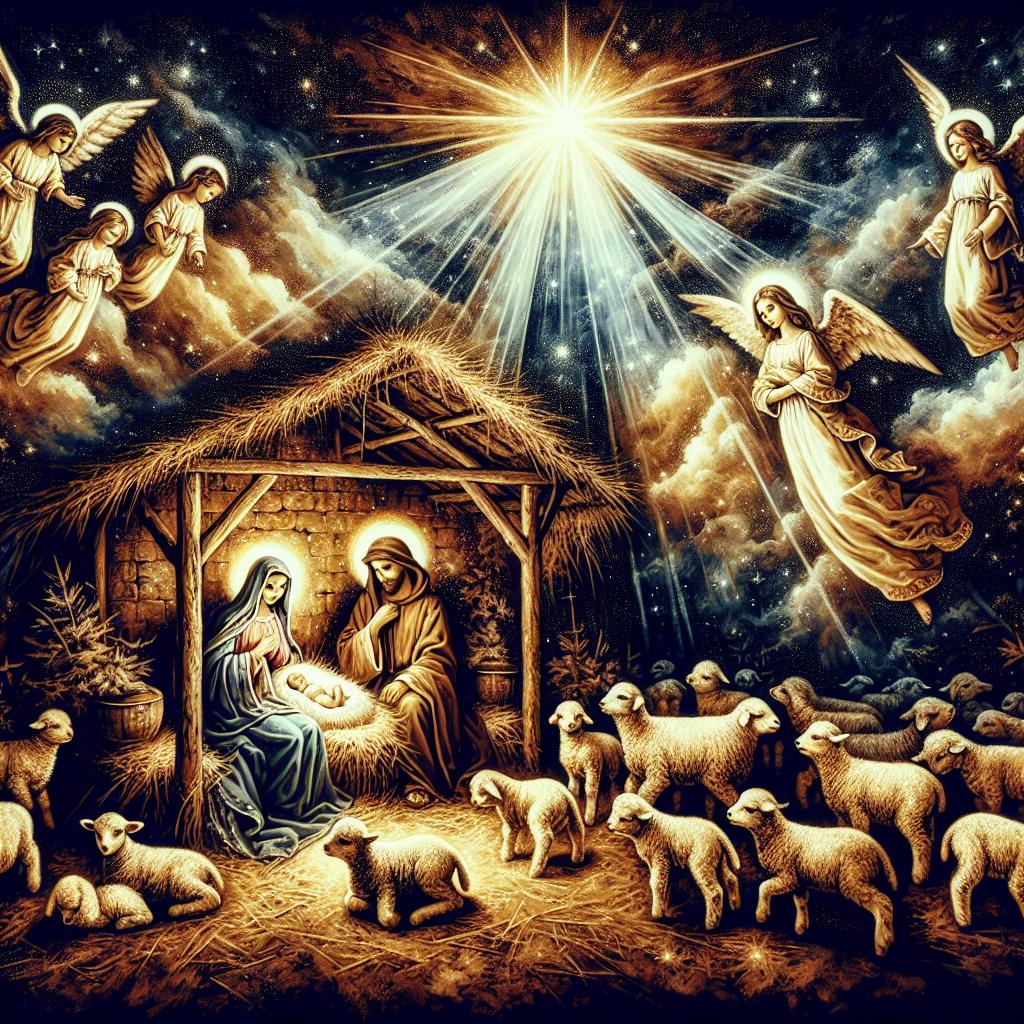
The term "nativity" comes from the Latin word "nativitas," which means "arisen by birth." The nativity scene typically features key characters such as the Christ Child in a manger, His mother Mary, His earthly father Joseph, shepherds, angels, various barn animals, a star, and sometimes three wise men bearing gifts. These elements come together to depict the night of Jesus' birth.
A Closer Look at the Nativity Scene
When we display a Christmas nativity scene, it is important to understand that it may not provide a completely accurate representation of the actual events surrounding Jesus' birth. Although each character depicted in a traditional nativity scene played a role in the Christmas story, not all of them were present in one place on that holy night.
According to Luke 2:7, Mary, Joseph, and Jesus found themselves in a stable because there was no room for them at the inn. However, the Bible does not mention whether animals were present or even if there was a stable. The shepherds were informed by angels about Jesus' arrival and left their flocks to worship the newborn King. However, there is no mention of angels flying visibly over the place where Jesus was. The wise men, often depicted in nativity scenes, were not present on the night of Jesus' birth but visited Him later when He was in a house.
Despite these minor details, a Christmas nativity scene serves as a powerful reminder of the profound significance of Jesus' birth. Since the fall of Adam and Eve, humanity's relationship with God has been broken. Out of His immense love, God sent His Son in human form to seek and save the lost. It was in the town of Bethlehem that Jesus Christ was born, and nativity scenes help us proclaim His birth and reflect on the true reason for the season.
Why This Matters
Understanding the origins of the Christmas nativity scene and its symbolic representation of Jesus' birth can deepen our appreciation for this cherished tradition. By recognizing that not all characters were present at one time on that holy night, we can separate the scriptural account from artistic portrayals. This allows us to focus on the true message of Christmas: God's love for humanity, demonstrated through the birth of His Son, Jesus Christ.
Think About It
As you set up your Christmas nativity scene this year, take a moment to reflect on the biblical account of Jesus' birth. Consider the significance of each character and how they contribute to the story. Remember that while artistic representations may differ, it is the underlying message that truly matters. Let the nativity scene serve as a tangible reminder of God's incredible gift to humanity and an invitation to embrace the true meaning of Christmas.